
Creep Feeding Calves: When It Pays, When It Doesn't, and How to Set the Feeder
Creep feeding is not automatic profit. Here is when extra weight pays for the feed, when it does not, and how to set a feeder calves will actually use.
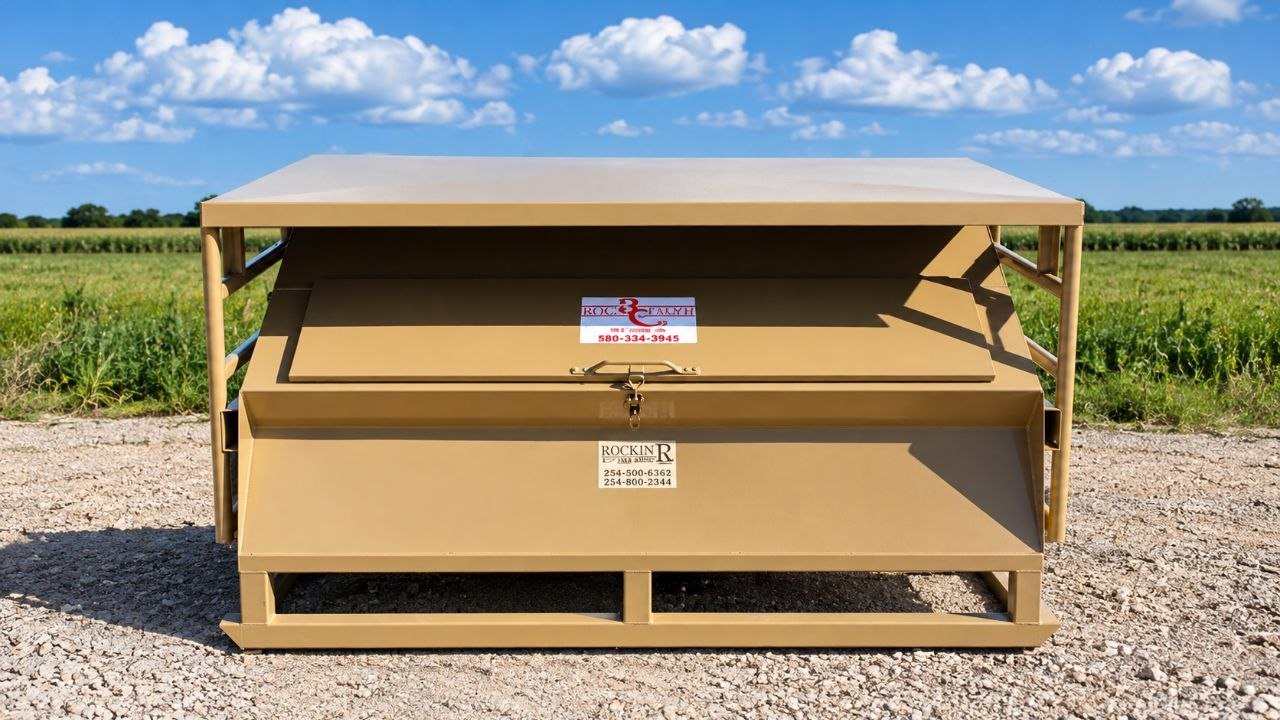
Creep feeding is the simplest idea in the cattle business: feed the calf without feeding the cow. A creep feeder or a creep panel has an opening small enough that cows cannot get through and calves can. The calf gets grain, the cow keeps grazing, and you get more weaning weight. Whether that extra weight makes you money is a separate question, and it is the one most people skip.
What creep feeding actually does
A calf's gain comes from milk and forage first. Creep feed adds energy on top of that. On good grass with cows milking well, the calf may not need it. On short grass, in a dry summer, with a young cow still growing herself, or with a calf born late, the extra energy shows up on the scale.
Extension work generally puts the added weaning weight somewhere in the range of forty to sixty pounds, but the spread is wide. The same research puts feed conversion anywhere from about four to ten pounds of feed per pound of added gain, with eight to one a fair planning number. That is the number that decides whether you make money: if feed costs more per pound of gain than the calf is worth per pound, you are buying weight, not profit.
When it pays
- Thin cows or first-calf heifers. A young cow is still growing. Her milk goes to her own body first, and the calf gets the remainder. Creep feed fills the gap.
- Short forage or drought. When the grass is gone, the cow's milk drops. Creep feed keeps the calf growing instead of stalling.
- Late-born calves. A calf that is two months behind needs help to reach a sale weight on time.
- High calf prices relative to feed. The math is unforgiving. Run your own numbers with today's feed and today's calf price, not last year's.
- Calves you plan to retain or background. Creep-fed calves usually bawl less at weaning and start on feed faster.
When it does not
If cows are milking heavy on good grass, creep feed mostly replaces forage the calf would have eaten anyway. You spend money and the calf gains about the same. Fleshy calves are another warning sign: adding fat to a calf that is already fat does not add value, and buyers discount overfinished calves.
Replacement heifers are their own case. Feeding heifers hard enough to get fat can deposit fat in the udder and is linked to poorer milk production later. If you are keeping heifers back, creep feed them lightly or not at all.
Feeder or creep panel?
Two ways to do the same job. A creep feeder is a self-contained unit with a feed hopper and creep openings, usually on skids or wheels. A creep panel is a gate or panel with calf-sized openings that you set in front of a bunk, a trough, or a pen where you feed by hand.
The feeder suits bigger calf crops and saves labor. The panel suits small herds, hand feeding, or a setup where you already have a bunk and a pen. Either one has to be anchored. An empty hopper catches wind, and a feeder that tips over in a spring storm is a feeder you will be repairing.
Setting the opening
The opening has to pass the biggest calf and stop the smallest cow. Most calf openings run somewhere around eighteen to twenty-two inches tall, with an adjustable width or a creep gate set to let calves through. That is a starting point, not a rule carved in stone, because cattle size varies with breed and age.
Set it, then watch. If cows are standing at the feeder with their heads in it, the opening is too big or the feed is too close to the edge. If big calves are getting stuck or refusing to pass, it is too tight. Adjust once, watch a full day, adjust again if you need to. A creep setup that is wrong for one week teaches calves to stay out.
Where to put it
Put the feeder where cattle already loaf, not in the far corner of the place. Calves find feed by following their mothers and by curiosity, and a feeder they walk past every day gets found fast. Keep it on high, dry ground. A feeder in a low spot turns into a mud hole and the feed turns into a clump.
Keep it away from the water tank. Calves that camp at the water will camp at the feeder, and the ground around both turns to soup. Shade is good. A feeder under a tree stays cooler and calves use it more in the heat of the day.
Face the opening toward the direction cattle come from, and leave room for calves to step out without running into a fence. A creep feeder jammed against a fence line is a traffic problem every morning.
Starting calves on feed
Calves have to learn to eat grain. Start with a small amount of fresh feed and keep it fresh. Do not fill the hopper to the top and walk away for two weeks, because the feed will bridge, cake, or spoil and the calves will quit. Check it daily at first.
Once calves are eating, keep the feeder from running completely empty. A calf that has been off feed and then finds a full hopper can overeat. That is how you get bloat and founder in a creep pen. Feed little and often beats a big dump.
Watch consumption. If feed is disappearing faster than the calf crop can eat it, either cows are getting in or you have more calves than you thought. If it barely moves, the opening is wrong or the feed is stale.
Weigh the thing
If you want to know whether creep feeding paid, weigh a sample of calves at the start and again at weaning. Compare the gain to the feed you put through the feeder. Without those two numbers you are guessing, and guessing is how people decide creep feeding does not work when the real problem was a feeder that sat empty half the summer.
Clean the feeder out at the end of the season. Old feed draws rodents and holds moisture, and a clean, dry hopper is ready when you need it next year. Delivery is available on feeders and panels; call ahead with your calf count and they will help you size the setup.
Common questions
How much extra weaning weight does creep feeding add?
Extension work generally shows forty to sixty pounds of added weaning weight, but the range is wide. It depends on forage, the cow's milk, the calf's age and the feed. Feed conversion commonly runs from about four to ten pounds of feed per pound of added gain, so eight to one is a fair planning number.
When should I start creep feeding?
The last month or two before weaning is the usual window, and earlier if forage is short or cows are thin. Calves need time to learn the feeder, so start with a small amount of fresh feed and check it daily until they are eating.
Will creep feeding make my replacement heifers too fat?
It can. Heifers fed hard enough to get fleshy can deposit fat in the udder, which is linked to poorer milk production later. If you are keeping heifers back, creep feed lightly or skip it and let them grow on forage and milk.
Why won't my calves use the creep feeder?
Usually the opening is too tight, the feed is stale, or the feeder is in a spot cattle do not travel. Put it where the herd already loafs, keep it on high dry ground, and start with a small amount of fresh feed. A feeder that sits empty for a week teaches calves to ignore it.