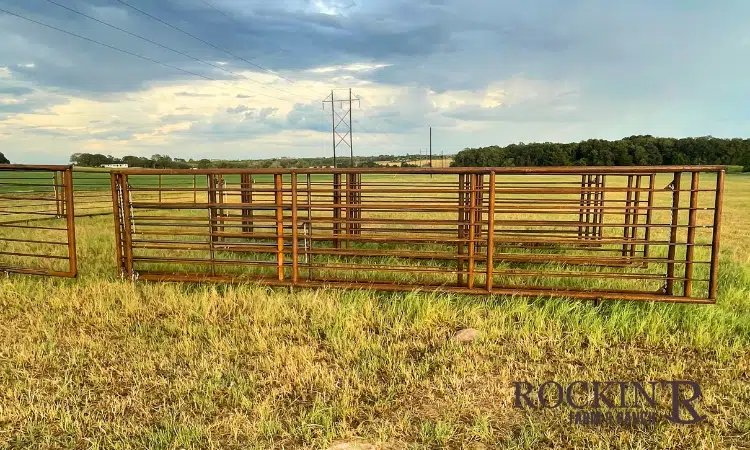
What to Look For in Cattle Panels Before You Buy
Height, pipe size, rod fill, welds and gate openings decide whether a panel lasts ten years or three. Here is what to check on the lot.
Read the guide
Straight answers on panels, chutes, pens and feeding — written for people who actually work cattle.
Height, pipe size, rod fill, welds and gate openings decide whether a panel lasts ten years or three. Here is what to check on the lot.
Read the guide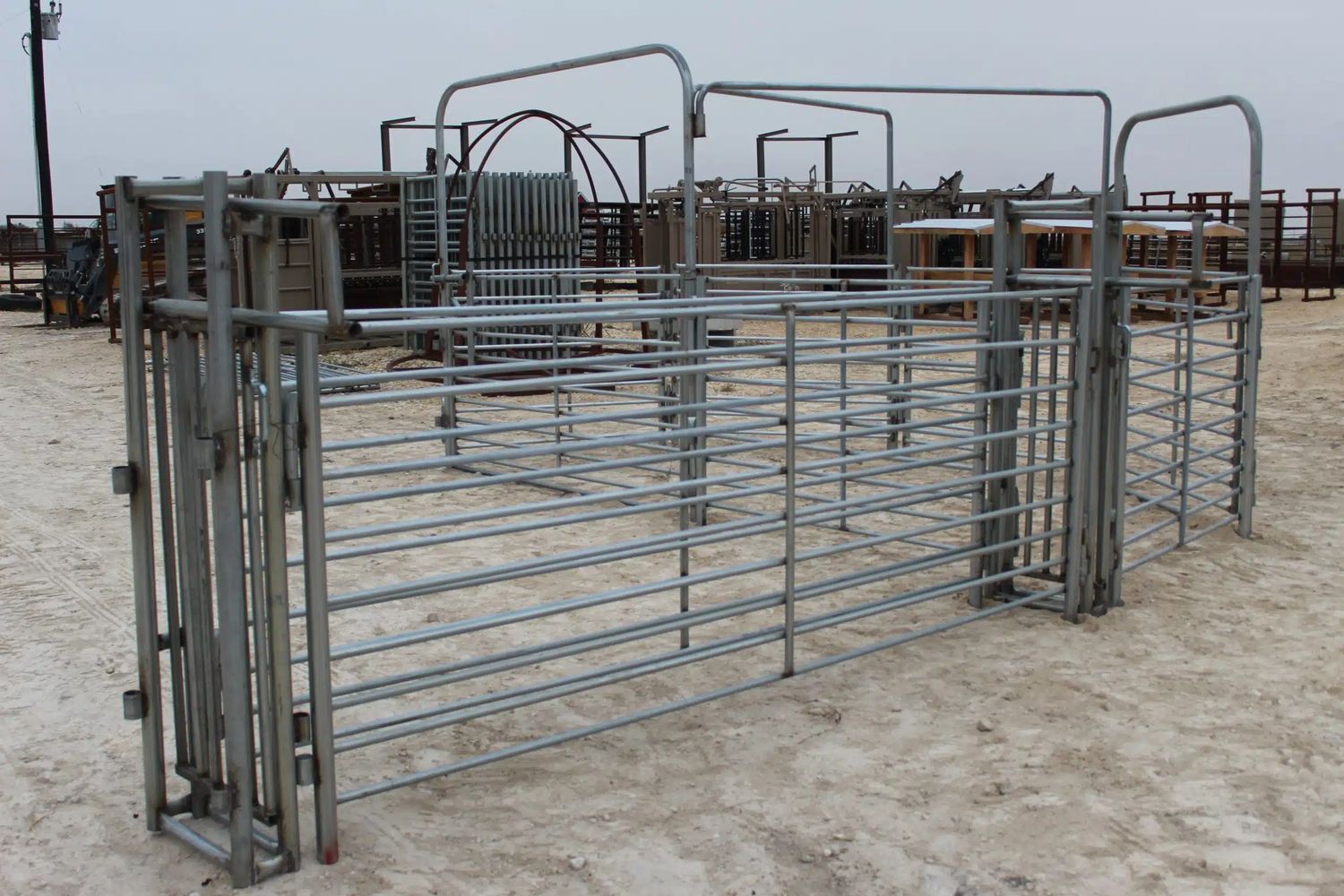
Most equipment problems are visible before you pay. Here is the twelve-point walk-around we run on panels, gates, chutes and feeders.
Read the guide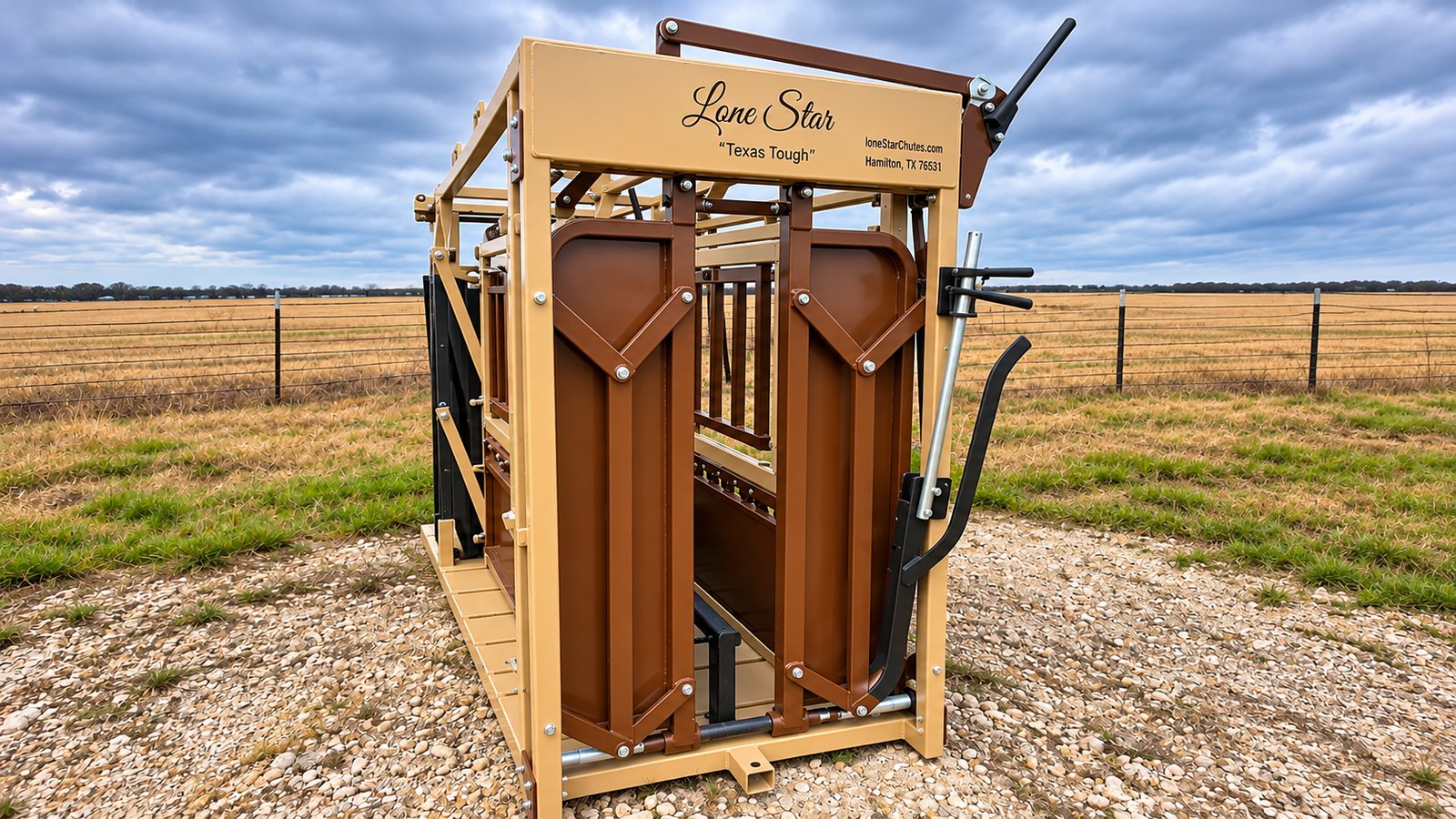
They are not the same tool and they are not interchangeable. Here is how to tell which one your operation needs, and when you need both.
Read the guide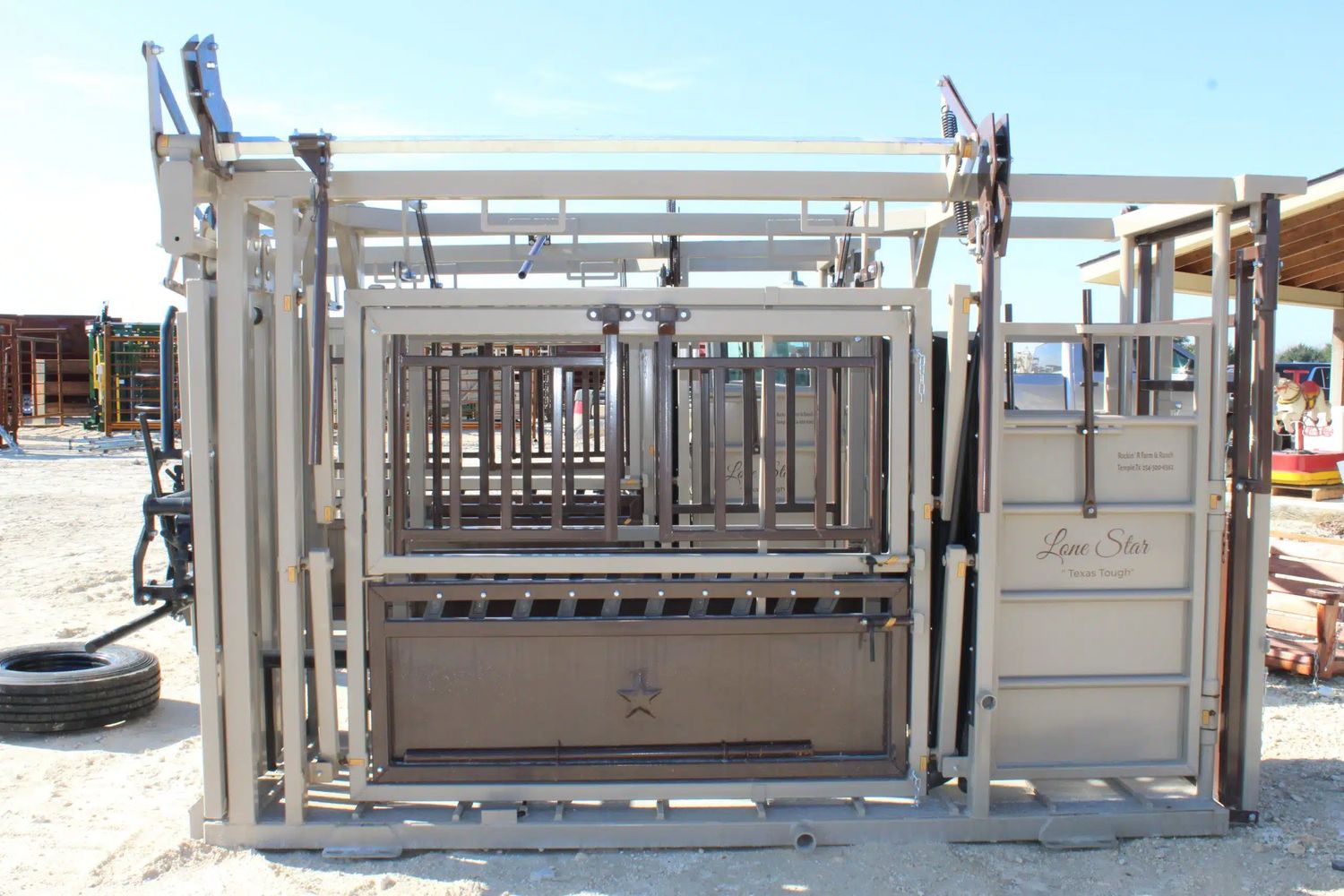
Most bad corrals were built outward from a gate. Start at the chute, work backward, and the layout follows how cattle actually move.
Read the guide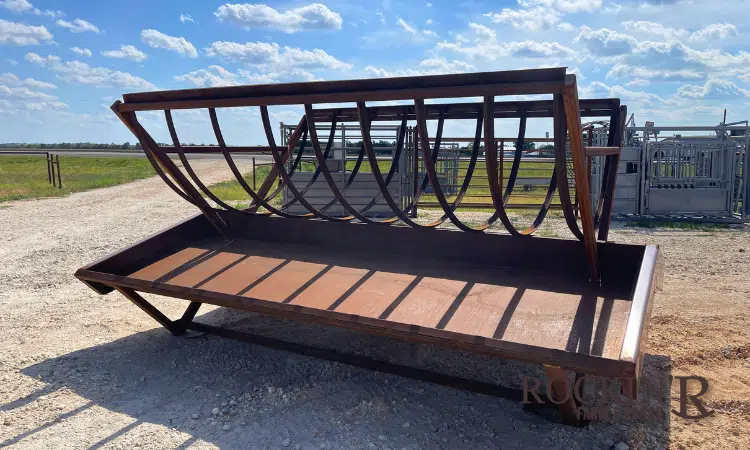
Hay is the biggest check most operations write in winter. The feeder you choose decides how much of it the cow actually eats.
Read the guide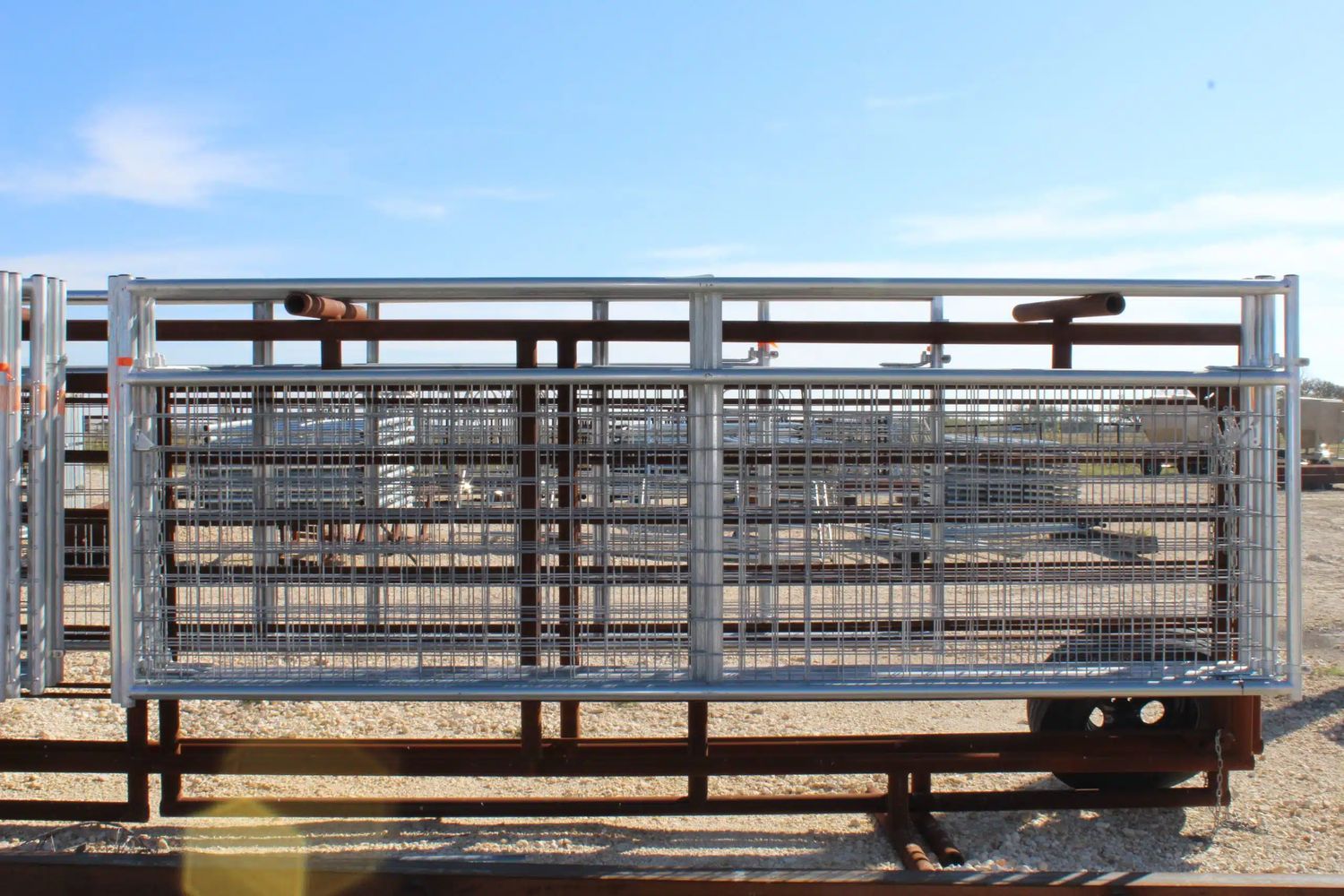
Four gate types, four jobs. How to sort slide, bow, tube and value gates by pressure, width and the post that has to carry them.
Read the guide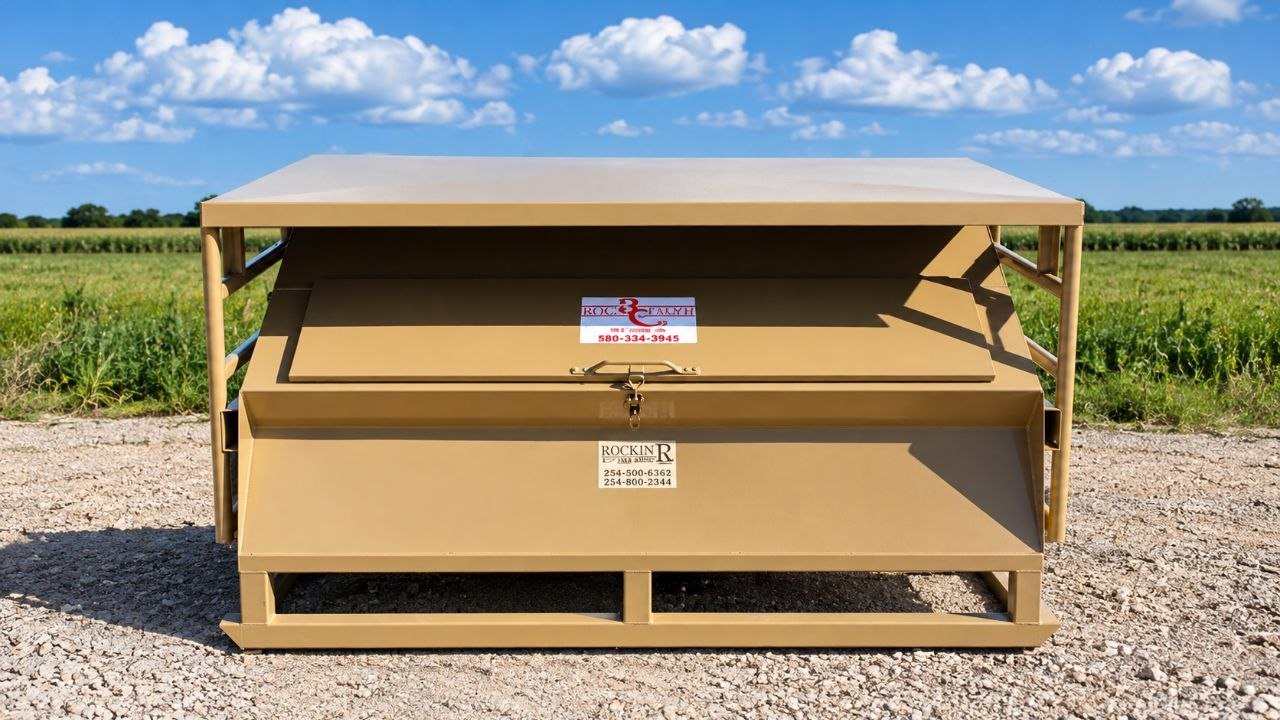
Creep feeding is not automatic profit. Here is when extra weight pays for the feed, when it does not, and how to set a feeder calves will actually use.
Read the guide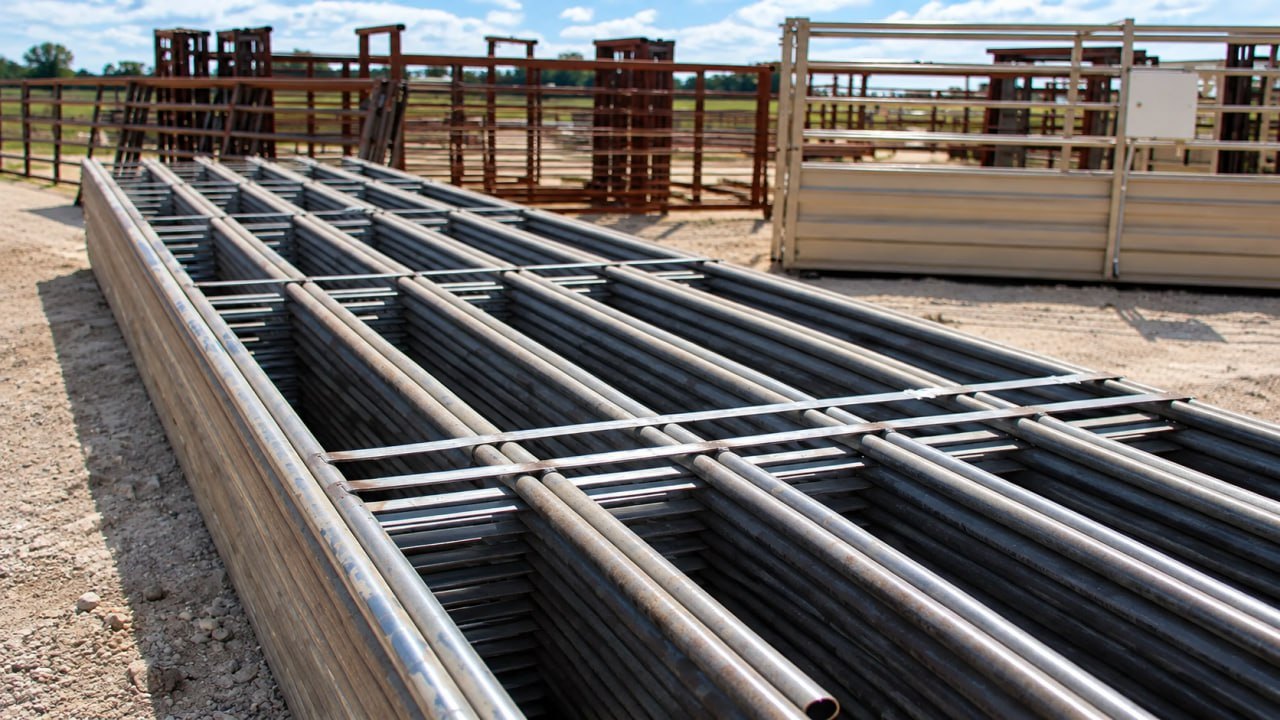
Ten acres is about 2,640 feet of perimeter. Here is how to choose between pipe, T-post and continuous fence, and why the corners decide the job.
Read the guide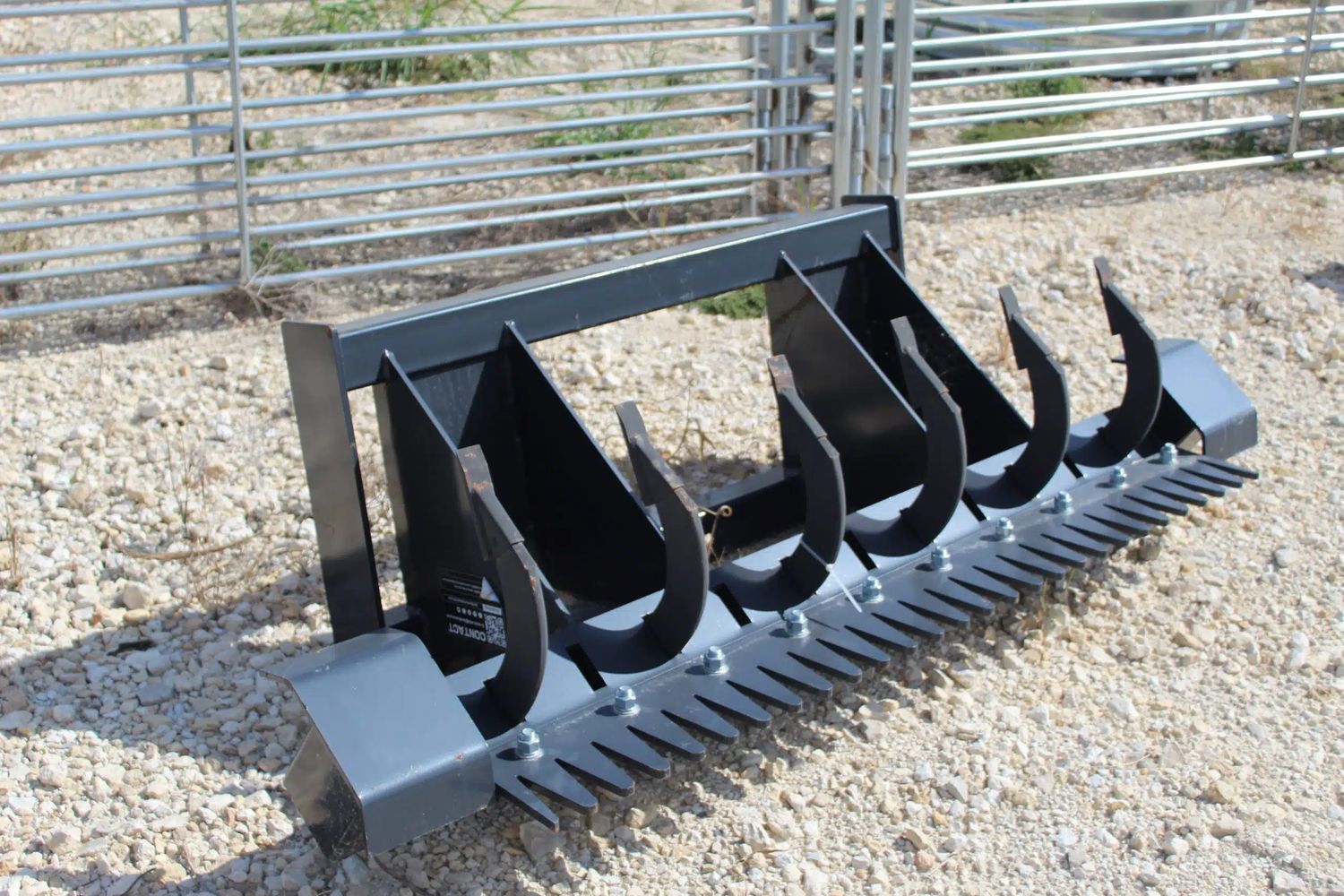
The bucket is the least interesting thing you own. A practical order for buying skid steer attachments, and the machine limits that decide what fits.
Read the guide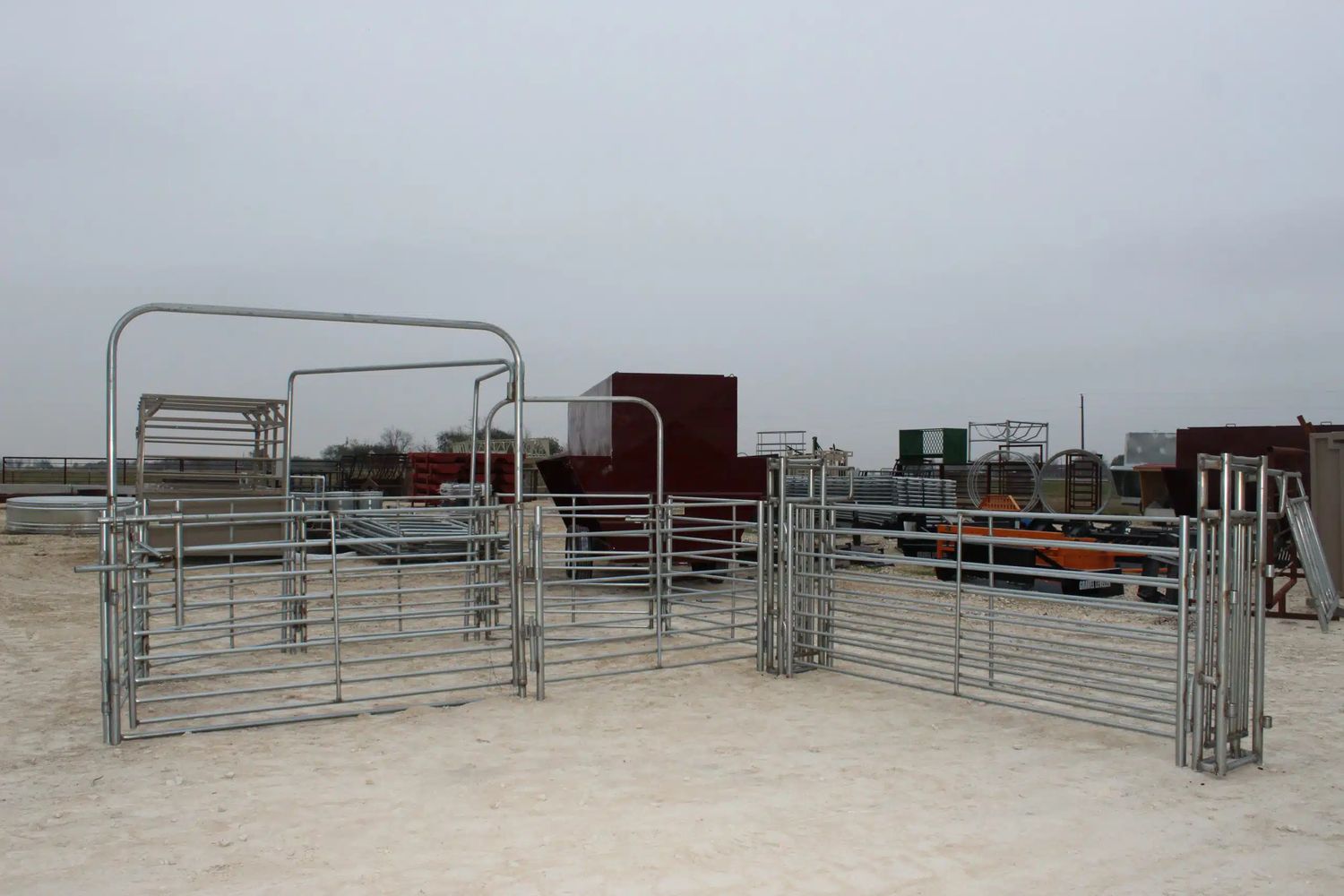
Most sheep and goat escapes happen through a gap, not over the top. Height, mesh size, predator aprons and a pen layout that works for small stock.
Read the guideTell us your head count and how you work them — we’ll point you at the right setup.